
The Mau Mau Rebellion

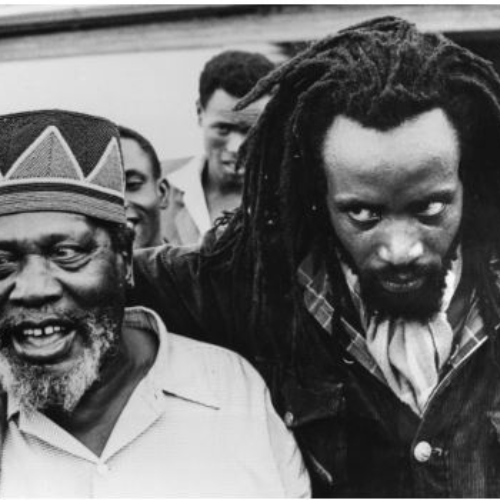
The Mau Mau Rebellion: Land, Freedom, and the Making of Modern Kenya
The Mau Mau Rebellion—also known as the Mau Mau Uprising or the Kenya Emergency—was one of the most consequential anticolonial conflicts in 20th-century Africa. Fought between 1952 and 1960 in Britain’s Kenya colony, the rebellion emerged from deep grievances over land dispossession, political exclusion, and colonial repression. The movement drew most of its fighters from the Agĩkũyũ (Kikuyu) community, with support from Embu and Meru groups, and sought to reclaim ancestral land and restore freedom from British rule. Though militarily defeated, the uprising reshaped Kenya’s political trajectory and helped create the conditions that led to independence in 1963.
Colonial Roots of the Conflict
British involvement in what is now Kenya began in the 1880s, following the imperial partition of East Africa between European powers. By 1920, the East Africa Protectorate was declared a colony and named Kenya, after Mount Kenya. To many in Britain, the colony was portrayed as a settler paradise. For Indigenous communities, however, the costs were severe. Large tracts of fertile highland land—particularly those belonging to the Agĩkũyũ, skilled agriculturalists—were seized by European settlers. Tens of thousands of acres were lost, livelihoods were disrupted, and early colonial rule was enforced through violence and coercion. By the mid-20th century, these pressures had intensified, while African political representation remained minimal.
The Meaning and Origins of “Mau Mau”
The origins of the name “Mau Mau” remain debated. Some scholars suggest it derives from the Gĩkũyũ phrase uma uma (“out, out”), possibly shouted during a police raid; others link it to a mispronunciation of mũma, meaning an oath. Whatever its linguistic roots, the name became synonymous with a secretive nationalist movement bound by oaths of unity and commitment. After World War II, deteriorating conditions—crowded reserves, unemployment, and unfulfilled political demands—radicalized segments of the population. A militant faction broke from the Kenya African Union (KAU), led at the time by Jomo Kenyatta, arguing that constitutional methods had failed. By 1952, hundreds of thousands had taken oaths aligning themselves with the cause.
From Emergency to Guerrilla War
In October 1952, colonial authorities declared a state of emergency, arresting suspected leaders in hopes of crushing the movement swiftly. Instead, many fighters evaded capture and regrouped in forests and mountainous regions, where they organized a guerrilla campaign. The Mau Mau targeted symbols of colonial power and, tragically, also attacked African collaborators, deepening divisions within local communities. Their ability to sustain operations relied heavily on grassroots support, including food, intelligence, and shelter from nearby populations.
The British response escalated dramatically. In 1954, Operation Anvil placed Nairobi under siege: residents were screened, thousands were detained, and entire neighborhoods were emptied. Over the following years, tens of thousands of Kenyans were held in detention camps under harsh conditions, often without trial. Aerial bombardment targeted forest bases, and the capture of key leader Dedan Kimathi in 1956 marked a turning point, effectively ending organized resistance, though sporadic fighting continued.
Human Cost and Atrocities
The rebellion exacted a devastating toll. While exact figures remain contested, historians estimate that more than 20,000 Kenyans died during the counterinsurgency campaign. Both sides committed grave abuses. Colonial forces implemented sweeping emergency laws, expanded the death penalty, and subjected detainees to brutal treatment. The Mau Mau, for their part, employed ruthless tactics against perceived opponents, including fellow Kenyans. Over time, what began as a struggle for land and freedom deteriorated into a bitter internal conflict, particularly within the Agĩkũyũ community—divisions that colonial authorities actively exploited.
The Road to Independence
By the late 1950s, Britain began reassessing the cost of maintaining colonial rule in Kenya. International scrutiny, economic pressure, and the lessons of the rebellion prompted a shift toward decolonization. The state of emergency ended in January 1960, detention camps were closed, and programs were introduced to redistribute land and expand African political participation. On December 12, 1963, Kenya achieved independence.
Legacy and Reassessment
For decades, the Mau Mau were portrayed in colonial narratives as violent extremists opposing progress. This view has since been challenged as evidence of colonial abuses came to light. Historians now widely agree that the rebellion was not a racial war but a complex struggle rooted in land, dignity, and self-determination. While the Mau Mau did not win militarily, their resistance demonstrated that colonial rule was unsustainable. In that sense, the rebellion stands as a catalyst—a painful but pivotal chapter that hastened Kenya’s journey to independence.
Today, memorials and renewed scholarship acknowledge the Mau Mau as central to Kenya’s history, honoring the sacrifices made and recognizing the uprising’s enduring impact on the nation’s identity and freedom.